What Four Years in EMEA Taught Us About Finance Teams and AI Adoption

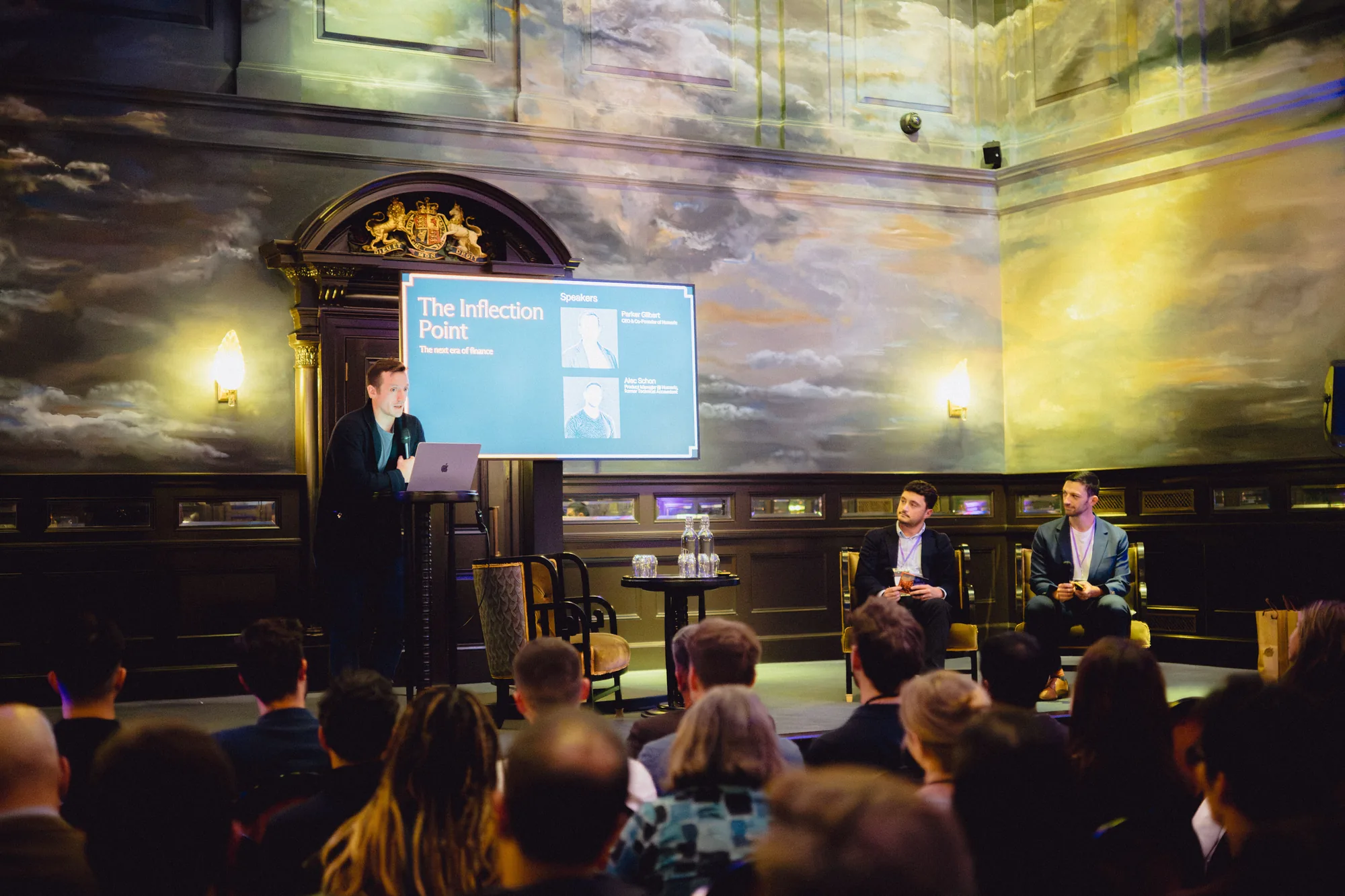
Numeric has been serving customers in the EMEA region since our first years as a company.
We started working with finance teams in the region in November 2022. Today, we serve customers in twelve countries, and since 2025, London has been home to our EMEA team.
As we’ve grown here, the finance teams we work with have shaped how we build, especially around controls and governance. A strong understanding of risk and compliance is, in many cases, the best skill an accountant can have.
Over the years, we’ve been lucky enough to meet with customers routinely, host countless events for finance leaders, and even just recently hosted our first customer summit, where we got a deeper understanding of what EMEA teams want most from us.
Here’s what working with EMEA finance teams has taught us and why we’re proud to be building alongside them.

1. EMEA Teams Have a High Bar for AI Adoption
Not long ago, many finance teams in EMEA had reservations about adopting AI, even at AI companies. Compared to US teams we worked with, finance teams in EMEA tended to pressure-test controls and auditability earlier.
Accountants were eager to learn, and plenty of finance leaders told us they wanted to automate. But they were thoughtfully cautious. They needed to know they could enforce controls and keep solid documentation of what agents did, especially as regulation like the UK Corporate Governance Code tightens expectations around internal controls.
We’ve found that teams with an appetite for adoption move quickly once they have the right partner. To help them build the skill to match their ambition, with controls and auditability built into the process, we recently launched our AI Services program. Our team works alongside a company’s accountants to build AI workflows for their close, starting with a process they already run.
For one customer, our first proof of concept leveraged AI to successfully re-perform two full months of intercompany recs in less time, and we’re now building that workflow directly in their Numeric environment. Another EMEA customer is using AI Services to redesign its entire global accruals process, which today spans 10 countries and takes an estimated 60 hours to complete.
With that groundwork in place, it's been great to see teams move from assisted building to start launching agents on their own.
As Jaafar Salaam from our London team put it, “There hasn’t been a more exciting time to be participating in this industry in EMEA than right now.”
2. EMEA Teams Want Vendors Who Can Be Local Partners That Build for Unique Requirements
EMEA finance teams want vendors who understand their requirements from the first conversation, and some tell us they’ll only work with vendors that have a presence in EMEA.
Nearly every UK company we work with also runs entities across Europe. A five-entity London SaaS company consolidating across three currencies is a normal setup here, and the team closing those books is often reporting under FRS 102, IFRS, and local GAAP at the same time.
Take Paddle. The company is headquartered in the UK with its team spread across five countries, so every close took a large coordination effort across people, time zones, and reviews. With Numeric orchestrating that work, Paddle cut its close from more than 20 business days to 9 and reduced close questions from FP&A by 70%.
Tax is another variable. VAT and Making Tax Digital need to keep working in any new system, and e-invoicing is rolling out country by country, so the requirements a team closes under are shifting. It’s why we’re working with some of our earliest EMEA customers as design partners to make sure that these changes are accounted for in the Financial Data Platform.
This is why being local matters so much here. Many of the finance leaders we meet tell us newer ERPs feel built for the US first. Having a team in London that works in the same time zone, knows these requirements, and builds for them has changed how those conversations go. When we show we understand the details, from intercompany to IFRS, teams trust us to build for how they work.

3. Finance Leaders in EMEA Build Trust Through Peers and Practical Learning
Across EMEA, finance leaders put weight on what their peers say: tech stack recommendations from someone else who has done the job go a lot further than a pitch.
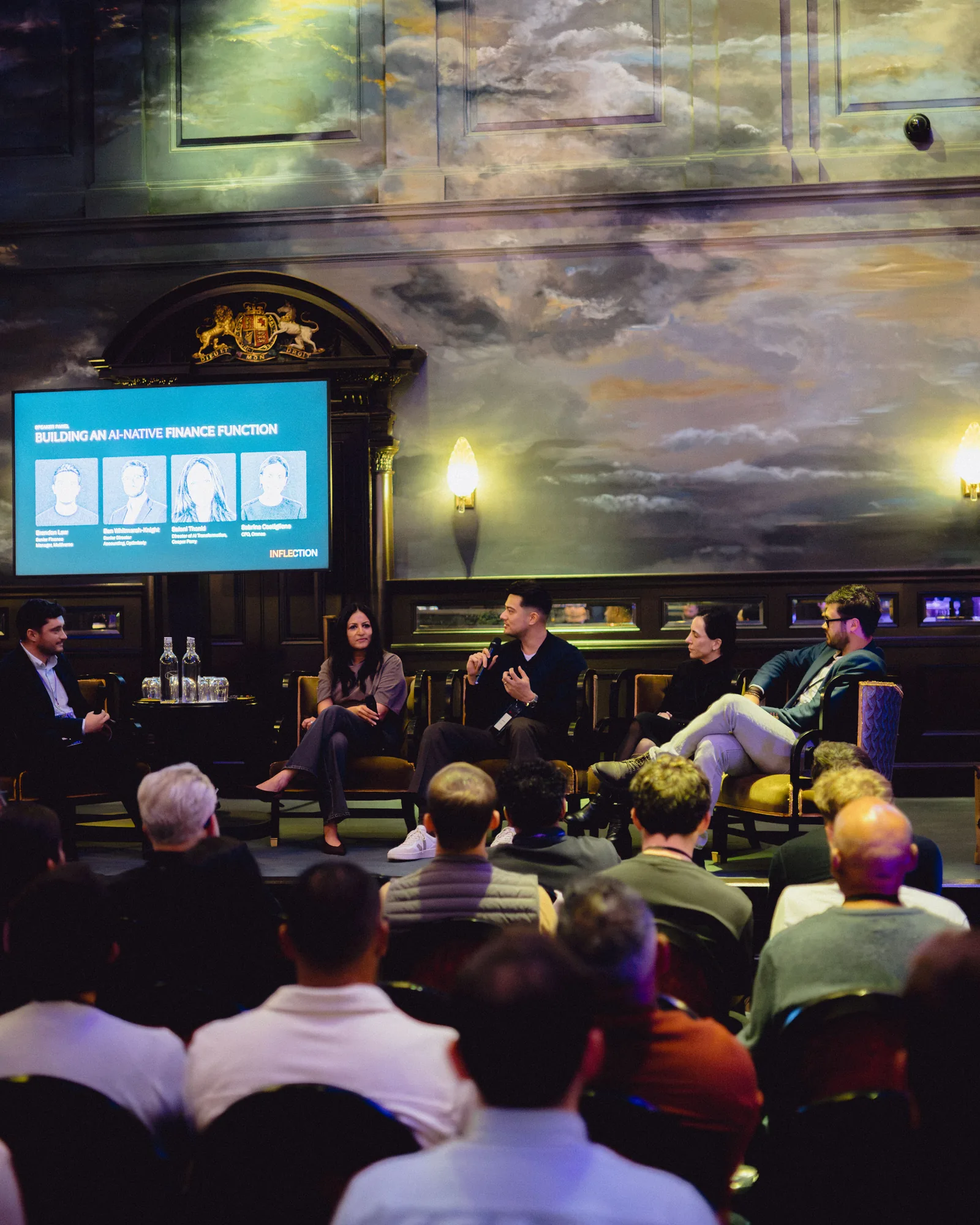
We learned early that the best way to earn that trust was to bring people together and let them learn from each other. At our Women in Finance dinner in London, customers, partners, and prospects gathered to discuss how to build a modern finance tech stack. The introductions turned into a conversation about why each of them was looking at tools like Numeric, and several guests asked to bring colleagues next time.
Practical learning matters just as much. Finance leaders here want to see AI applied to real accounting work that they can try in their own workspaces. We saw this firsthand when nearly 700 people registered for our AI in Finance Masterclass with Nicholas Boucher to learn practical ways to bring AI into their work, and that demand is why we keep investing in hands-on education for EMEA teams.
Numeric Gives EMEA Teams an AI-Ready Data Foundation
EMEA finance teams come to us from different starting points with automation. Many are weighing whether to build their own AI workflows or use AI built into their tools. Whichever path they choose, one thing remains true: AI works best on clean, connected financial data.
That’s why Numeric is built as one AI-native platform. By rearchitecting how accounting is done, Numeric eliminates recurring work and unites a company’s financial data in one place, so accounting and finance work from the same source of truth. Whether a team starts with Close, Cash, or Billing & Revenue, or moves its core system onto the Financial Data Platform, it gets a context-rich, AI-ready foundation that AI can give accurate answers from.
From there, teams put that foundation to work in the way that fits them. Teams that want to build their own workflows connect their AI tools directly to Numeric through the Numeric MCP. Teams that want AI ready to use from day one rely on the AI tools built into Numeric.
Building Your Own Workflows With the Numeric MCP
The Numeric MCP connects Numeric to the AI tools a team already uses, like Claude. Without leaving the chat, teams can query live financial data, run reports, manage tasks, and build workflows on top of it all, with access limited to what each user is authorized to see.
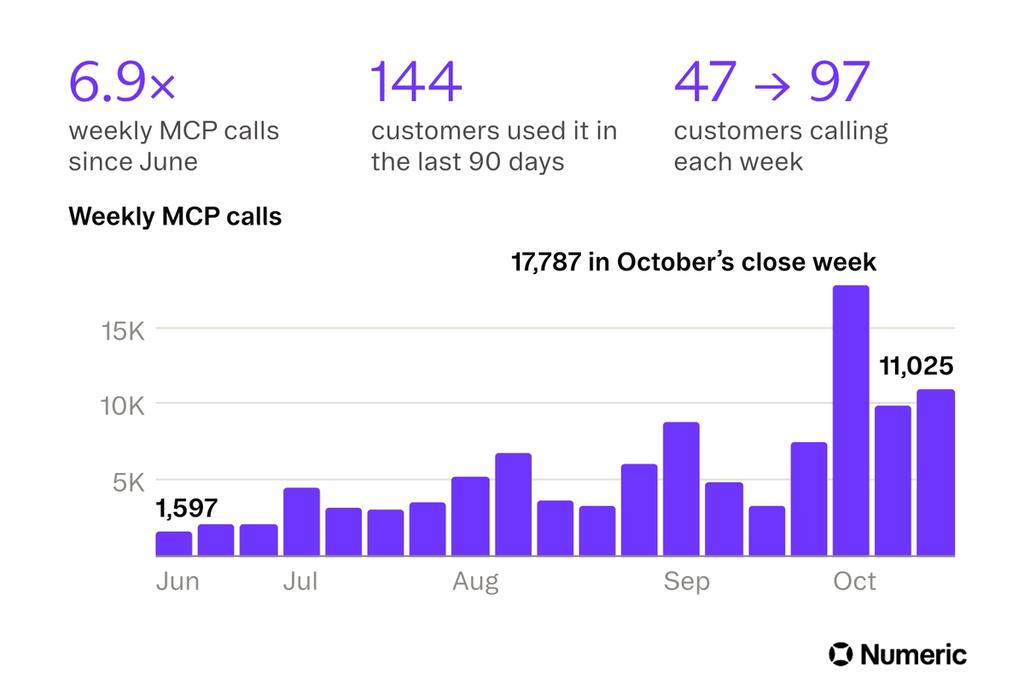
More and more EMEA teams are choosing the MCP. Usage among our EMEA customers more than doubled in the first two weeks of November compared with all of October.
Multiverse is a good example. In June, its team was closing across project management tools and spreadsheets, with bank matching done by hand. Today, all of the work for its close, reconciliations, and cash matching runs in one place: Numeric. Controls were a big part of the decision. Sarah Olwagen, a Finance Manager at Multiverse, told us the controls in Numeric were her favorite part.
With that foundation in place, the team has started building with AI on its own terms. Multiverse runs its accruals workflow through the Numeric MCP, and that, along with the rest of its work in Numeric, has helped the team cut two days off its close.
Using AI Built Into the Financial Data Platform
The Financial Data Platform is Numeric’s ERP replacement, with AI-native tooling built in throughout. These tools are designed for the multi-entity, multi-currency setups that are common across EMEA.
Take a London SaaS company with five entities, one of them in Germany. A customer signs a contract with the German entity, priced in euros.
In the Financial Data Platform, that contract comes in with its full terms, including customer, product, entity, and currency, and the Billing & Revenue module derives the invoices and the revenue recognition schedule from it. From there, the team’s accounting policies run as rules-first flows. Automated matching and schedule building take on the recurring work, and the custom accounting module handles the edge cases. Anything that needs human judgment shows up in Prism, so each morning the team sees exactly what to review.
Because everything runs from the same contract, there’s no separate copy to reconcile back to. If the contract changes, every downstream invoice and entry updates with it. The team can ask Numeric’s in-app AI or the Numeric MCP in natural language for revenue by country, by product, or for the whole group in pounds. Any number in the consolidated report traces straight back to the German contract it came from.
What’s Next for Numeric in EMEA?
We’re investing in the finance community that has made EMEA a home for us, with more events, practical learning, and partnerships across the region. We’re also building toward a bigger change in how accounting works, and we believe EMEA teams are ready to lead it.
Investing in the EMEA Finance Community
Our community in EMEA has grown alongside our team. One customer even asked whether we could start a Numeric ambassador program. We have plans to keep building on that energy.
One of our priorities is to keep bringing finance leaders together in person. Our breakfasts and dinners in EMEA have become a regular place for Controllers to compare notes on their close and swap AI workflows.
We’re committed to investing in practical learning built for this region. We’re offering our free Finance Engineer course to EMEA teams. The course teaches accountants and Controllers how to build AI workflows for the close, and it counts toward ICAEW or ACCA CPD. We also host the Finance Engineer Cup, a competition where accounting and finance pros build solutions to solve real accounting problems. Our current round, the Billing Battle, focuses on revenue and billing, and we plan to keep running it as the community grows.
Our partners are part of this, too. We recently launched our Partner Advisory Board to help shape the Financial Data Platform, and we’re excited to expand it to include our EMEA partners.

If you’d like to get involved, check out our events page. We’d love to invite you to our next event or connect you with our partnerships team.
Building for Every Approach
EMEA teams put controls first and build for the complexity they carry every day. That’s why they’re building the most durable version of AI in finance.
To plan for that complexity sustainably, we believe you have to treat accounting as a data problem. For centuries, flattening business activity into a ledger was necessary. Today, we can finally build the financial system around the business and its full context instead. With these technological shifts, we believe it’s time to rearchitect how accounting is done.
EMEA teams are ready for that shift, and we’re building the Financial Data Platform alongside them. Over the past four years, EMEA has shown us what durable AI adoption looks like, and we’ll keep building the financial system to match it.

Related Content

Is Your AI Bill Growing? Here Are the Steps to Take Before You Tighten Team Budgets
How finance leaders at Glean, Figma, and Numeric track AI charges, set token budgets, and lower the cost of recurring AI work.
What Four Years in EMEA Taught Us About Finance Teams and AI Adoption
Four years of working with EMEA finance teams showed us how they adopt AI, from high standards for controls to local partners, peer learning, and a strong data foundation.
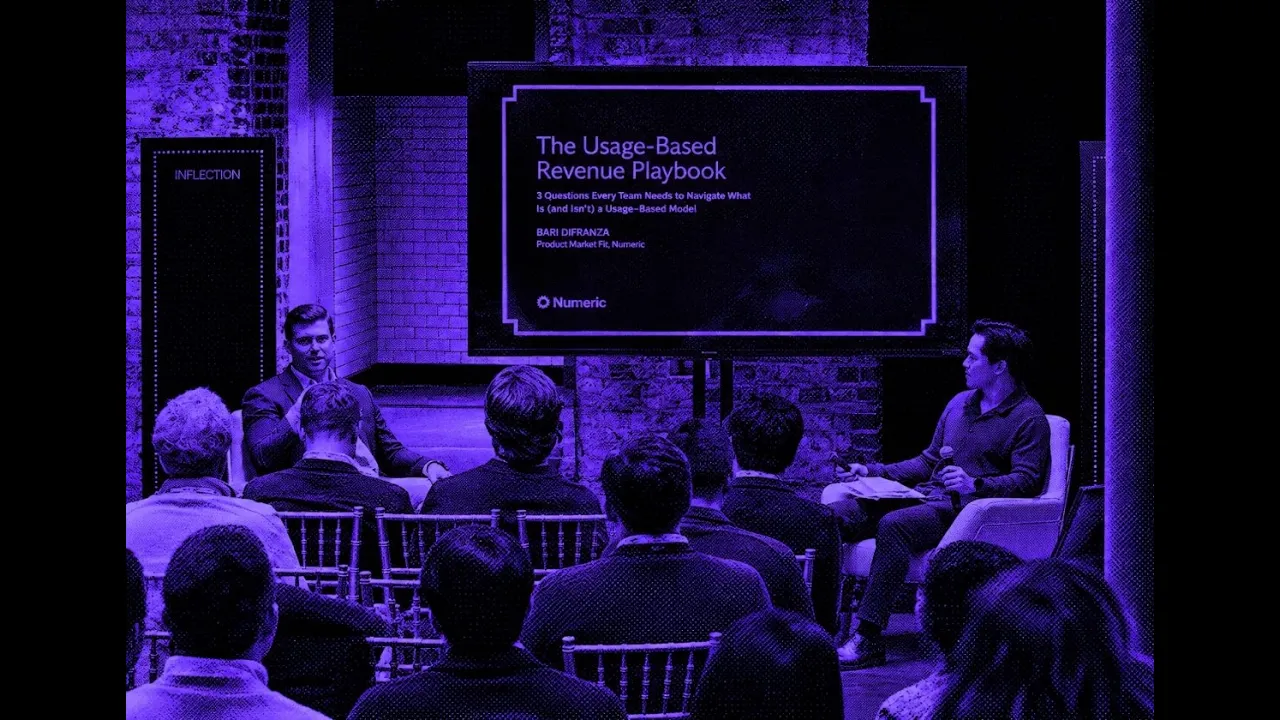
5 Questions to Answer Before You Make the Switch to a Usage-Based Pricing Model
Five questions from Ben Sheridan's Inflection 2026 session to answer before switching to usage-based pricing, from bookings policy to revenue accounting.